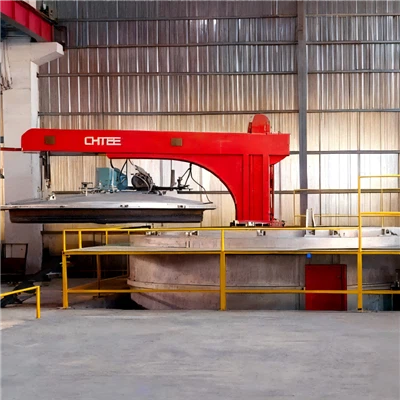
A vacuum furnace is a sophisticated and essential tool in the field of heat treatment, offering precision, efficiency, and excellent results, particularly for industries that demand high-performance materials. Operating under a vacuum environment, these furnaces provide an optimal condition for processing various metals and alloys, allowing for improved material properties without the risk of oxidation or contamination.
Introduction to Vacuum Furnaces
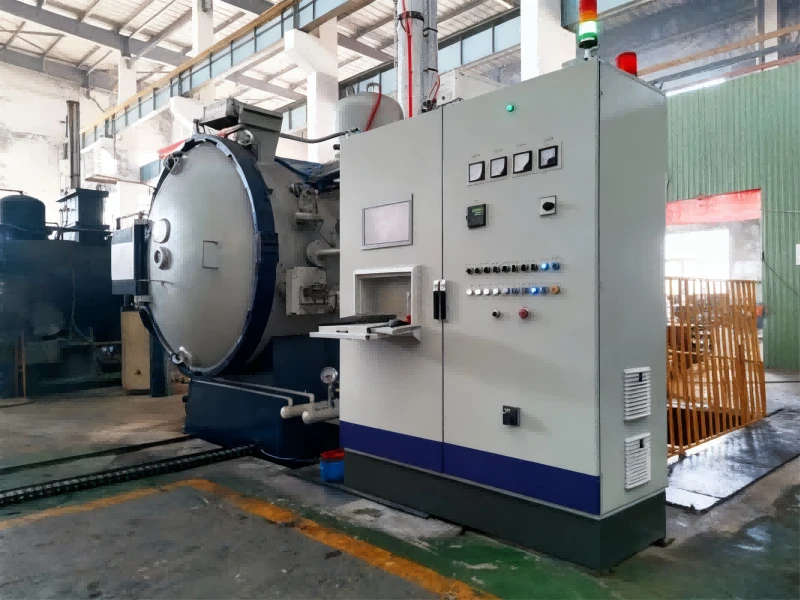
A vacuum furnace is designed to heat materials in a controlled vacuum environment. The primary advantage of a vacuum furnace is its ability to perform heat treatment processes-such as annealing, hardening, sintering, and brazing-without exposing materials to atmospheric oxygen or contaminants. This ensures that the materials maintain their purity and structural integrity during the heat treatment process.
Two of the most important types of vacuum furnaces are the vacuum annealing furnace and the vacuum quenching furnace. While both are used for heat treatment, their applications and functions differ based on the specific needs of the material being processed.
How Does a Vacuum Furnace Work?
A vacuum furnace operates by creating a controlled environment inside its chamber, which is essential for achieving high-quality, contamination-free results. The furnace uses specialized heating elements, vacuum pumps, and temperature control systems to regulate the temperature and maintain a consistent vacuum atmosphere.
1.Heating Elements: High-temperature-resistant materials, such as molybdenum or tungsten, are used for the furnace's heating elements. These elements heat the material to the required temperature.
2.Vacuum System: The vacuum is created using mechanical and diffusion pumps, which remove air from the furnace chamber. This low-pressure environment prevents oxidation and ensures that the material remains uncontaminated.
3.Temperature Control: Precision thermocouples and pyrometers are used to monitor and control the furnace's temperature, ensuring that it remains stable throughout the heat treatment process.
CHTEE'S Vacuum Furnaces
Since its establishment in 2018, CHTEE has become a leading heat treatment furnaces manufacturer , thanks to its outstanding R&D and manufacturing capabilities. Our products are widely used in industries such as steel, machinery parts, automotive, and aerospace, and are exported to the Middle East, Africa, and many other countries worldwide. We focus on providing customized industrial furnace solutions for our clients, including continuous quenching furnaces, gas carburizing furnaces, vacuum heat treatment furnaces, rotary drum furnaces, pit annealing furnaces, and box furnaces.
Vacuum Annealing Furnace
A vacuum annealing furnace is primarily used for annealing processes, where metal is heated and slowly cooled to reduce hardness, relieve internal stresses, or refine its microstructure. During the annealing process, the furnace operates in a vacuum, preventing oxidation and ensuring that the material remains pure.
◆ Stress Relief: It eliminates internal stresses that may have developed during the manufacturing or welding processes.
◆ Grain Refinement: It improves the grain structure of metals, which enhances their ductility and toughness.
◆ Softening: Annealing makes materials more malleable for further processing.
Industries: Aerospace, automotive, and manufacturing industries, particularly for materials such as titanium, stainless steel, and aluminum alloys.

|
Serial Number |
Model |
Power |
MHximum charging capacity |
Loading size |
External dimensions |
Crane height |
|
1 |
TE-A-MA-W-180/240 |
200KW |
8T |
φ1800*H2400 |
φ3200*H3250 |
5500mm |
|
2 |
TE-A-MA-W-240/240 |
300KW |
16T |
φ2400*H2400 |
φ3800*H3250 |
5500mm |
|
3 |
TE-A-MA-W-340/240 |
400KW |
20T |
φ3200*H2400 |
φ4800*H3250 |
5500mm |
|
4 |
TE-A-MA-W-360/240 |
500KW |
24T |
φ3600*H2400 |
φ5200*H3250 |
5500mm |
Vacuum Quenching Furnace
A vacuum quenching furnace, on the other hand, is used for quenching, a process where metal is rapidly cooled after being heated to a high temperature. The rapid cooling increases the material's hardness and wear resistance. In a vacuum quenching furnace, the cooling process takes place in a controlled vacuum atmosphere, preventing oxidation and preserving the integrity of the material's surface.
◆ Hardening: The main use is in the hardening of steel, tool steels, and other alloys to increase strength and durability.
◆ Precision Parts: It is commonly used for high-precision components that require high surface hardness, such as aerospace parts, automotive gears, and cutting tools.
◆ Simultaneous Annealing and Quenching: Some vacuum quenching furnaces can also provide post-quenching annealing to ensure that the material retains its strength without internal stresses.
Industries: Aerospace, automotive, tooling, and manufacturing industries.

Benefits of Using a Vacuum Furnace
Vacuum furnaces provide a range of benefits, making them an invaluable tool in industries where material purity and high-performance standards are required.
1.Contamination-Free Processing: By operating in a vacuum environment, vacuum furnaces prevent the oxidation, contamination, and decarburization that can affect the quality of materials during heat treatment.
2.Precision Control: Temperature and cooling rate are precisely controlled, which results in consistent and predictable outcomes for material properties.
3.Improved Material Properties: Whether used for annealing or quenching, vacuum furnaces improve the mechanical properties of materials, such as hardness, strength, and fatigue resistance.
4.Cost-Effectiveness: While the initial investment in a vacuum furnace can be high, the long-term benefits-such as superior quality and reduced defects-make it a cost-effective solution for industries that demand high-quality products.
Applications of Vacuum Furnaces
Vacuum furnaces are used across a wide range of industries, particularly where high-quality, high-performance materials are needed.
1.Aerospace: Vacuum furnaces are used in the aerospace industry to process titanium alloys and other high-performance materials, ensuring that components such as turbine blades and landing gear are strong, lightweight, and resistant to extreme conditions.
2.Automotive: In the automotive industry, vacuum furnaces are employed to harden critical components, such as gears and engine parts, improving their durability and performance.
3.Tool Manufacturing: Vacuum quenching is essential in tool manufacturing, as it hardens materials such as tool steels, providing excellent wear resistance for cutting tools and dies.
4.Electronics: In electronics manufacturing, vacuum furnaces are used to sinter semiconductors and other delicate components that require high purity and precision.