In the field of metal processing, heat treatment is a crucial process that alters the internal structure of materials by controlling their heating and cooling processes, thereby achieving the desired properties. Among these processes, annealing is one of the most widely used heat treatment techniques. The annealing heat treatment furnace is the core equipment for carrying out this process.
The essence of the annealing process is to heat a metal workpiece to a suitable temperature, maintain it for a certain period, and then cool it slowly. The main purpose of this process is to reduce the hardness of the metal, improve its plasticity, eliminate internal stresses, and homogenize the chemical composition and microstructure, preparing it for subsequent machining or final use.
Basic Working Principles of Annealing Heat Treatment Furnaces
Although there are many types of annealing furnaces, their core working principles are similar. We can understand them as sophisticated "ovens," but their temperature control requirements are far more precise and complex than those of a household oven.
Heating System
This is the heart of the furnace. Based on the heat source, it can be divided into electric heating, gas heating, etc. Electric heating converts electrical energy into heat through heating elements such as resistance wires or silicon carbide rods. Its advantages include precise temperature control and clean, pollution-free operation. Gas heating generates heat by burning natural gas or liquefied petroleum gas, which usually offers some advantages in terms of energy costs, but involves the issue of combustion product emissions. The furnace chamber is usually constructed of special refractory materials to ensure good insulation and high-temperature resistance.
Temperature Control System
This is the brain of the furnace. The system monitors the furnace temperature in real time through temperature sensors such as thermocouples and transmits the signal to a temperature control instrument or computer system. The control system automatically adjusts the power of the heating elements or the opening of the gas valve according to the preset annealing process curve (including heating rate, target temperature, holding time, cooling rate, etc.), ensuring that the furnace temperature changes strictly according to the process requirements. Precise temperature control is crucial for guaranteeing the quality of the annealing process.
Furnace Structure
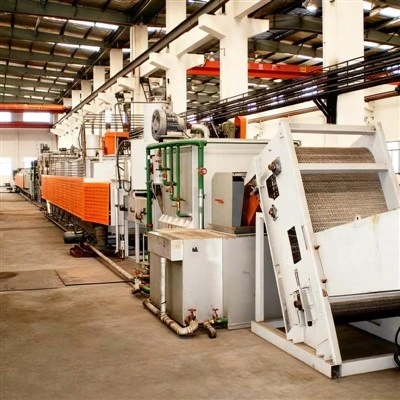
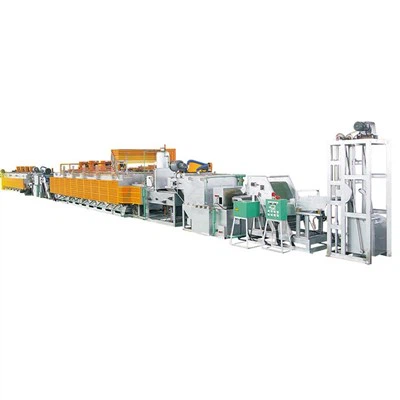
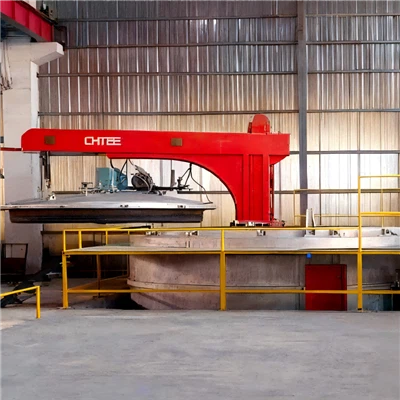
Based on the shape, size, and production cycle of the workpiece, annealing furnaces have various structural forms. Common types include box furnaces, pit furnaces, bogie hearth furnaces, and continuous furnaces. A box furnace is like a sealed box, suitable for small batches and multiple types of workpiece heat treatment; a pit furnace has a deep and long furnace body, especially suitable for vertical suspension annealing of long shaft parts; a bogie hearth furnace has a movable bogie at the bottom of the furnace, facilitating the loading and unloading of large or heavy workpieces; a continuous furnace achieves continuous feeding and discharging of workpieces, suitable for large-scale assembly line production.

Main Types and Purposes of Annealing Processes
Not all annealing processes are the same. Depending on the material and the purpose of the treatment, annealing processes are divided into several types.
Full Annealing
Primarily used for hypoeutectoid steel (a common type of steel). The process involves heating the workpiece to a temperature above which its internal structure completely transforms into austenite, holding it at that temperature for a sufficient time, and then slowly cooling it in the furnace. Its main purpose is to refine the grain size, homogenize the structure, significantly reduce hardness, and eliminate internal stresses, providing a good foundation for subsequent processing.
Stress Relief Annealing
Also known as low-temperature annealing. The treatment temperature is below the transformation temperature of the steel. Its main purpose is very clear: to eliminate internal stresses generated in the workpiece during casting, forging, welding, or cold working, preventing deformation or cracking during processing or use. This is especially important for workpieces with complex structures or high precision requirements.
Spheroidizing Annealing
Primarily used for hypereutectoid steel (such as tool steel and bearing steel). Its purpose is to spheroidize the carbides in the steel, thereby significantly reducing hardness, improving machinability, and preparing the structure for the final quenching treatment.
Homogenizing Annealing
Also known as diffusion annealing. Usually used for ingots or large castings, it involves very high heating temperatures and long holding times. The purpose is to reduce chemical composition and structural non-uniformity through atomic diffusion at high temperatures.

Considerations for Annealing Furnaces
When selecting and using annealing heat treatment furnaces, several regional factors need to be considered.
Energy Selection
The choice between electric and gas furnaces requires a comprehensive assessment of local energy supply and costs. The stability of the electricity supply and electricity prices, as well as the coverage of natural gas pipelines and gas prices, are important decision-making factors.
Process Adaptability
Local manufacturing industries may involve non-ferrous metal processing, precision machinery, and specialized equipment manufacturing. The selected annealing furnace's type, temperature range, temperature control accuracy, and atmosphere control capabilities (whether it needs to prevent workpiece oxidation) should be diversified to match the characteristics of the main processing materials and product quality requirements in the local area. For example, the annealing temperature and processing requirements for copper alloys or aluminum alloys differ significantly from those for steel.
Equipment Maintenance and Operation
Heat treatment equipment belongs to industrial furnaces and kilns, requiring regular maintenance to ensure long-term stable operation and process reliability. Establishing a localized technical service and support system with the necessary expertise is crucial for ensuring smooth production. Professional training for operators is also indispensable; they need to understand the process principles, correctly set and operate the equipment, and be able to identify basic abnormal situations.
Safety and Energy-Saving Precautions for Using Annealing Furnaces
Safety is paramount and contributes to high-quality production, while energy saving is crucial for long-term production costs.
Safe Operation
* High-temperature protection: The furnace surface temperature is very high. Operators must wear appropriate protective clothing, gloves, and safety shoes to prevent burns.
* Electrical safety: Regularly check the insulation and grounding of power lines and control cabinets to prevent electrical leakage accidents.
* Gas safety: For gas furnaces, ensure that there are no leaks in the gas pipelines and install gas alarm devices. Strictly follow procedures for purging before ignition to prevent deflagration.
* Lifting safety: When using cranes to load and unload workpieces, comply with lifting operation regulations, ensuring that the workpieces are securely fastened and that no one is below.
Energy-Saving Measures
* Increase loading capacity: While ensuring proper airflow circulation and uniform temperature inside the furnace, operate at full capacity as much as possible to reduce energy consumption per unit of product.
* Strengthen insulation: Regularly check the sealing of the furnace door and the integrity of the furnace insulation layer to reduce heat loss. High-quality insulation materials may have higher initial costs, but the long-term energy-saving benefits are significant.
* Waste heat utilization: Explore the possibility of recovering and utilizing the heat released during the cooling of high-temperature workpieces or the waste heat from high-temperature flue gas, for example, for preheating combustion air or workpieces.
* Choose high-efficiency equipment: When purchasing new equipment, evaluate energy efficiency as an important indicator.