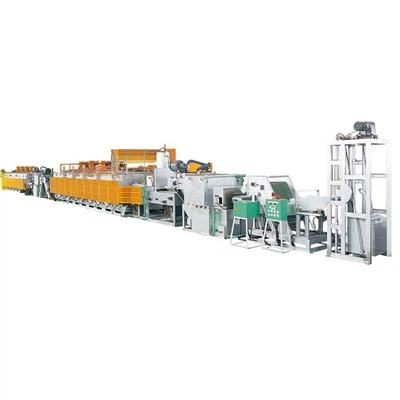

Automotive Components That Require Controlled Heat Treatment
Different automotive parts face different combinations of friction, contact stress, impact, and repeated loading. Furnace configuration and treatment parameters must match the component's material and performance requirements.
✅ Automotive fasteners: Bolts, screws, and other suitable steel fasteners requiring specified hardness and strength.
✅ Transmission components: Selected gears and mechanical parts that require wear-resistant surfaces.
✅ Bearing components: Suitable steel rollers and related parts requiring controlled hardness.
✅ Engine and chassis hardware: Metal fittings and small steel components that require consistent heat-treatment results.
✅ Stamped automotive parts: Suitable steel parts that can be conveyed and treated continuously on a mesh belt.
The required process depends on the component drawing, steel grade, surface-hardness target, case depth, and applicable automotive specification.
Heat Treatment Matched to Automotive Part Requirements
Carburizing for Case-Hardened Components
For suitable low-carbon steel parts, carburizing introduces carbon into the surface layer before quenching. This can produce a hard, wear-resistant case while retaining a tougher core, depending on the steel grade and the validated treatment cycle. Typical candidates include selected gears, pins, and fasteners.
Quenching for Required Hardness
Quenching cools heated steel under controlled conditions to develop the required hardened microstructure. The cooling method and process parameters must suit the component's geometry, material, and distortion limits.
Tempering for Property Adjustment
After quenching, tempering adjusts hardness and toughness and helps reduce residual stresses. The correct tempering cycle is determined by the required final properties rather than a single standard setting for all automotive parts.
Mesh-Belt Quenching Furnace For High-Volume Parts
Automotive component suppliers often need to process many similar parts within a controlled production schedule. A mesh belt furnace moves components continuously through the treatment line instead of relying on separate batch loading for every cycle.
✅ Continuous conveying: Supports a steady flow of suitable components through the furnace.
✅ Controlled thermal zones: Heating sections can be configured to match the required process sequence.
✅ Consistent loading patterns: Appropriate spacing helps limit part overlap and uneven heat exposure.
✅ Process repeatability: Controlled belt speed, temperature settings, and treatment stages help maintain consistent production conditions.
✅ Production-line coordination: Feeding, quenching, tempering, and discharge arrangements can be planned around the factory's workflow.
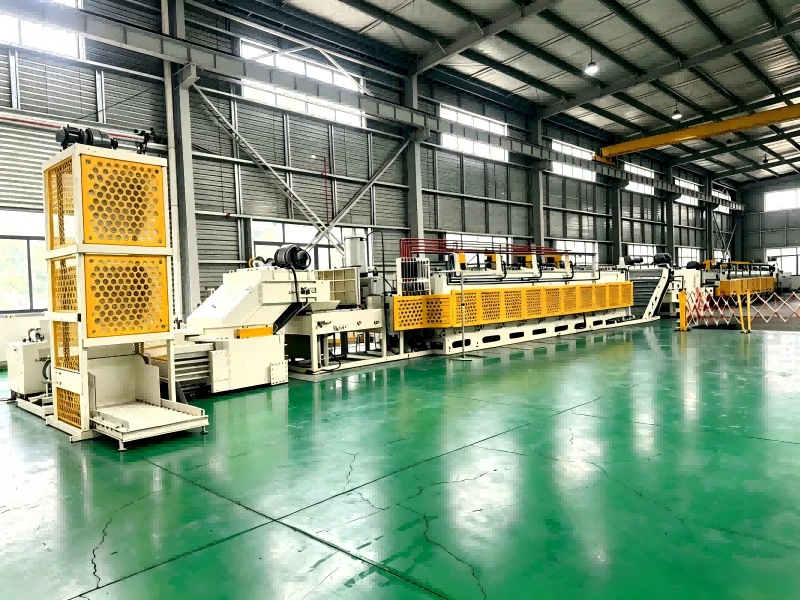
FAQ
1.Which automotive parts can be treated in a mesh belt quenching furnace?
Suitable parts may include fasteners, selected gears, bearing components, pins, stamped steel parts, and other small metal components. Suitability depends on material, dimensions, loading behavior, and the required heat-treatment process.
2.Can the furnace be used for automotive carburizing?
Yes. A suitably configured line can perform carburizing followed by quenching and tempering. The required case depth, surface hardness, and core properties must be specified for the particular component.
3.How can consistent hardness be maintained during continuous production?
Key factors include stable temperature control, appropriate belt speed, consistent part spacing, controlled quenching conditions, and a validated process recipe. Hardness testing and other required inspections are used to verify results.
Hot Tags: mesh belt quenching furnace for automotive parts, China mesh belt quenching furnace for automotive parts manufacturers, suppliers, factory, Batch Hearth Furnace, Batch Integral Quench Furnaces, quenching furnace